Preparing Your Home for Summer: A Snowbird’s Pre-Departure Checklist


As a snowbird preparing to leave Florida for the summer months, you have more to think about than just packing your bags. Your Villages home needs proper preparation to weather the hot, humid summer months while you’re away.
Quick Takeaways
- Start your home prep 2 to 3 weeks before you leave to avoid last-minute stress
- Schedule a dryer vent cleaning before departure – lint buildup is a fire risk in an empty home
- Keep your AC running between 78 and 82 degrees to prevent mold and humidity damage
- Shut off the main water supply to eliminate the risk of a burst pipe or slow leak while you’re gone
- Unplug non-essential electronics, empty the refrigerator, and secure anything outdoors before hurricane season hits
- Arrange weekly home checks with a trusted neighbor, friend, or property manager
This comprehensive pre-departure checklist helps you secure your home, prevent damage, and ensure everything is ready for your return in the fall.
Why Summer Preparation Matters in Florida
Leaving your Florida home unattended during summer presents unique challenges.
Extreme heat and humidity: Florida summers are brutal. Temperatures inside unoccupied homes can reach dangerous levels without proper climate control.
Hurricane season: June through November is hurricane season. Your home needs to be prepared for potential storms.
Pest pressure: Warm weather brings increased pest activity. An unattended home is attractive to insects and rodents.
Mold and moisture: High humidity combined with closed-up spaces creates perfect conditions for mold growth.
Break-in risks: Vacant homes attract unwanted attention. Signs of absence make properties targets for theft.
Proper preparation protects your investment and ensures you return to a home in good condition.
Three Weeks Before Departure
Start preparations early to avoid rushed, forgotten tasks.
Review and update your departure checklist
Create a master checklist specific to your home and situation. Update it each year based on lessons learned.
Schedule essential maintenance
Book appointments now for services you want completed before leaving:
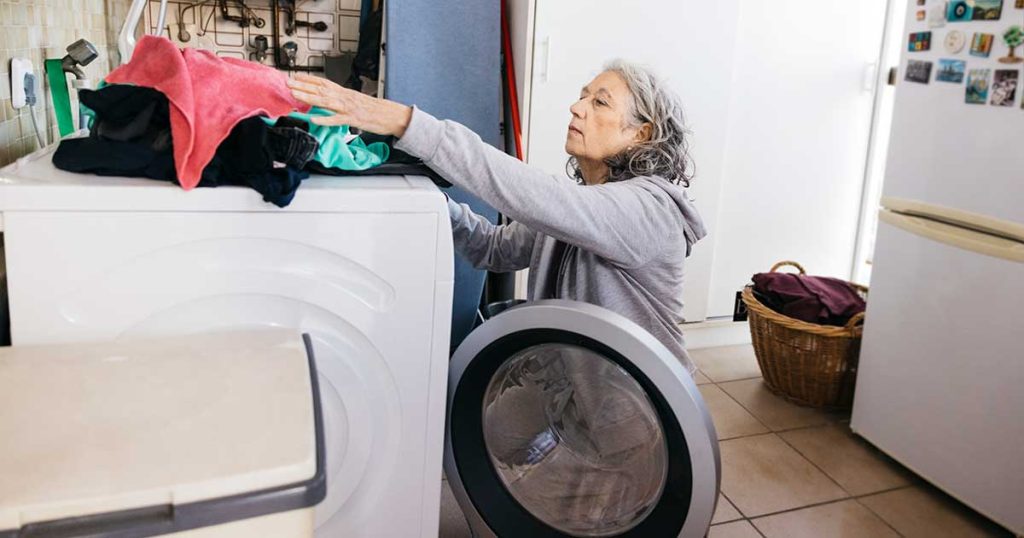
Dryer vent cleaning: This is critical. A clogged vent left unattended for months poses serious fire risk. Professional dryer vent cleaning before departure gives you peace of mind.
Many Villages homeowners schedule this service in April or May before heading north.
HVAC service: Have your air conditioning system inspected and serviced. It needs to run reliably all summer even when you’re not home.
Pool service: If you have a pool, arrange for weekly or bi-weekly maintenance throughout summer.
Lawn care: Schedule regular lawn service to keep your property looking occupied and maintain HOA compliance.
Arrange home monitoring
Decide who will check your home while you’re away:
Trusted neighbor or friend: Someone local who can respond quickly if issues arise.
Professional home watch service: Many companies in The Villages specialize in snowbird home monitoring.
Family members: If you have family in the area, they might check on your home.
Whoever you choose should have:
- Keys and alarm codes
- Your contact information
- List of local emergency contacts (plumber, electrician, AC repair)
- Authority to make decisions in emergencies
Review insurance coverage
Contact your homeowner’s insurance company:
- Verify coverage remains valid during extended absences
- Some policies require notification if you’ll be away more than 30-60 days
- Understand what is and isn’t covered while you’re gone
- Consider additional coverage if needed
Notify important parties
Let the following know you’ll be away:
- Homeowner’s Association
- Security patrol services
- Post office (for mail hold or forwarding)
- Neighbors you trust
- Alarm monitoring company
Two Weeks Before Departure
Deep clean the house
A thorough cleaning prevents odors and pests from developing.
Kitchen:
- Clean out refrigerator and freezer completely
- Wipe down all appliances
- Clean oven and stovetop
- Empty trash cans and wash them out
- Check for any food items that could attract pests
Bathrooms:
- Deep clean all surfaces
- Pour water down all drains (they can dry out and allow sewer gases in)
- Leave toilet lids up to prevent water evaporation stains
Laundry room:
- Clean dryer lint trap and cavity
- Wipe down washer and dryer exteriors
- Leave washer door open to prevent mold
General:
- Vacuum and mop all floors
- Dust ceiling fans and surfaces
- Open windows briefly for air circulation (then close and lock)
Address any needed repairs
Don’t leave knowing problems exist. Fix issues now:
- Leaking faucets or toilets
- Running toilets (waste water and money)
- Damaged window screens
- Loose door locks or handles
- Any electrical concerns
Small problems become bigger problems when left unattended for months.
Test all safety systems
Smoke detectors: Test each one and replace batteries
Carbon monoxide detectors: Test and replace batteries
Security alarm: Verify it’s working properly
Fire extinguishers: Check pressure gauges
Update contact information: Ensure monitoring companies have your current summer phone number
One Week Before Departure
Handle perishables and food
Refrigerator and freezer:
- Use up or donate perishable food
- Throw away anything that won’t last until fall
- Remove everything that could spoil or attract pests
- Clean thoroughly with baking soda solution
- Leave doors propped open slightly to prevent mold and odors
- Turn off ice maker
- Consider turning off the refrigerator entirely to save energy
Pantry:
- Check for opened packages that could attract pests
- Store non-perishables in sealed containers
- Remove anything that could expire or go stale
Adjust utilities appropriately
Thermostat: Set to 78-82°F. Do NOT turn off your AC completely.
Why this matters:
- Prevents excessive humidity and mold growth
- Protects wood furniture and floors from warping
- Keeps interior temperatures from reaching dangerous levels
- Maintains air circulation throughout the home
Water heater: Turn to vacation mode or lowest setting to save energy while maintaining minimal function.
Irrigation system: Adjust timer for summer watering needs. Ensure it’s functioning properly before you leave.
Address plumbing
Turn off main water supply
This is one of the most important steps. Water damage from undetected leaks can cause catastrophic damage.
After turning off the main valve:
- Run faucets briefly to drain pressure
- Flush toilets one final time
- Pour RV antifreeze in all drain traps (prevents them from drying out)
- Turn off water supply to washing machine
- Turn off water supply to ice maker
Exception: If you’re keeping irrigation running, you might keep water on. In this case, have your home checker inspect for leaks weekly.
Protect against pests
Seal entry points:
- Check weatherstripping around doors and windows
- Fill any gaps or cracks where pests could enter
- Ensure screens are intact and secure
Remove attractions:
- No food left accessible
- Empty all trash cans
- Store pet food in sealed containers or remove entirely
- Clean up any spills or crumbs thoroughly
Consider preventive treatment:
- Some homeowners schedule pest control treatment before leaving
- Discuss options with your pest control company
Final Days Before Departure
Secure outdoor areas
Hurricane preparation:
- Store or secure loose items (patio furniture, decorations, planters)
- Trim trees and bushes that could damage house in high winds
- Check that hurricane shutters are accessible and functional
- Clear gutters and downspouts
General outdoor:
- Put away hoses and tools
- Lock sheds and storage buildings
- Secure pool equipment
- Store outdoor cushions and fabrics
Electronics and appliances
Unplug non-essential electronics:
- TVs and entertainment systems
- Computers and printers
- Small kitchen appliances
- Lamps and decorative lights
- Phone chargers
This reduces fire risk and saves phantom electricity costs.
Keep plugged in:
- Refrigerator (if leaving it running)
- Security system
- Landline phone (if applicable for alarm system)
- Any smart home devices needed for monitoring
Secure valuables
Remove or secure:
- Important documents
- Jewelry and collectibles
- Valuable electronics you don’t need
- Prescription medications
- Irreplaceable family heirlooms
Consider:
- Safe deposit box for most valuable items
- Taking important documents with you
- Photographing valuables for insurance purposes
Final walkthrough
Go room by room:
- All windows closed and locked
- All doors closed and locked
- Appropriate lights on timers for security
- Curtains/blinds in normal positions (don’t make house look obviously vacant)
- Thermostat set correctly
- Water heater adjusted
- Main water valve off (or not, based on your plan)
- All unnecessary appliances unplugged
- No food left out
- Trash cans empty
- Garage door closed and locked
Document everything
Take photos or video of:
- Your home’s condition when leaving
- Valuables and their locations
- Utility meter readings
- Thermostat settings
- Water valve position
This documentation helps if insurance claims become necessary and provides baseline for your return.
Create an Information Packet for Your Home Checker
Prepare a detailed packet for whoever monitors your home:
Contact information:
- Your summer address and phone number
- Trusted local contacts
- Emergency services numbers
Service providers:
- HVAC company
- Plumber
- Electrician
- Pest control
- Lawn service
- Pool service
Home details:
- Alarm codes
- WiFi password
- Locations of: main water shutoff, electrical panel, HVAC system
- Any quirks or important information about your home
Checking instructions:
- How often to visit
- What to check each visit
- When to contact you vs. handle independently
- Budget for emergency repairs if needed
What Your Home Checker Should Do
Weekly visits should include:
Interior checks:
- Walk through entire house
- Check for water leaks or damage
- Verify AC is running and temperature is appropriate
- Check for signs of pests or intrusion
- Run water briefly if main valve is on
- Flush toilets
- Check appliances are functioning
Exterior checks:
- Look for storm damage
- Verify irrigation system works
- Check that lawn service completed work
- Inspect for any exterior damage or issues
- Collect mail if not forwarded
- Take in any packages
- Vary arrival times and park in different spots (makes house look occupied)
Communication:
- Send you update after each visit
- Photos of anything concerning
- Contact you immediately for urgent issues
Special Considerations for Villages Residents
HOA requirements: Make sure you comply with your community’s requirements for vacant properties. Some Villages neighborhoods have specific rules about:
- Lawn maintenance frequency
- Visible storage or outdoor items
- Required home monitoring
Community resources: Many Villages neighborhoods have active social groups. Let neighbors in your community know you’ll be away and ask them to watch for issues.
Hurricane season overlap: Since you’ll be gone during peak hurricane season (August-October), ensure your home checker has a hurricane plan:
- Can they board up windows if needed?
- Will they move vulnerable items inside?
- Do they know how to operate your hurricane shutters?
Before You Leave: Essential Service Checklist
Make sure these critical services are scheduled:
Completed before departure:
- Dryer vent cleaning
- HVAC service
- Any needed repairs
- Deep cleaning
Arranged for summer:
- Weekly home checks
- Bi-weekly or weekly lawn service
- Pool service (if applicable)
- Pest control (if using preventive service)
When You Return
Upon arrival:
- Turn on main water supply (check for leaks)
- Adjust thermostat to comfortable setting
- Turn on water heater
- Plug in appliances
- Walk through entire house checking for issues
- Run all faucets and flush all toilets
- Check for any pest activity
- Review notes from home checker
Within first week:
- Deep clean before fully settling in
- Restock refrigerator and pantry
- Schedule any needed repairs discovered during absence
- Thank your home checker appropriately
Frequently Asked Questions
Should I really keep my AC running all summer?
Yes. The cost of running AC at 78-80°F is far less than the cost of mold remediation, warped floors, or damaged furniture from excessive heat and humidity.
What if a hurricane comes while I’m away?
Your home checker should have a plan. Before you leave, discuss: who will protect your home if a storm approaches? What authority do they have to make decisions? Consider giving them power of attorney for home-related decisions.
How do I know my home checker is actually visiting?
Request photos dated/timestamped with each visit. Smart home cameras can also show activity. Build relationship with checker before you leave.
Can I turn off my water heater completely?
Yes, but it needs to be relit (if gas) when you return. Setting to vacation mode or low setting saves most of the energy while avoiding relighting hassle.
What if I can’t find someone to check my home?
Professional home watch services in The Villages specialize in snowbird homes. They typically charge $15-30 per visit and provide detailed reports.
Should I drain my toilet tanks?
Not necessary if someone is flushing them weekly. If no one will be there, pour RV antifreeze in the tanks and bowls to prevent water evaporation.
Protect Your Investment
Your Florida home is a significant investment. Taking time to properly prepare it before summer departure protects that investment and ensures you return to a home in excellent condition.
The effort you put into preparation now saves headaches, money, and stress later. A well-maintained home during your absence means fewer surprises and repairs when you return.
Ready to check dryer vent cleaning off your departure list? Contact Lint Dragon to schedule service before you leave. We serve snowbirds throughout The Villages and understand the importance of completing essential maintenance before summer departure.
Don’t leave for the summer with a clogged dryer vent posing fire risk in your unoccupied home. Schedule professional cleaning now and enjoy your summer knowing your home is safe and protected.