
Does Your Dryer Vent Actually Need Cleaning? Here’s How to Tell



Most homeowners know they’re supposed to clean their dryer vent. Fewer actually do it on schedule, and a lot of people aren’t sure whether they’re overdue or fine for now. If you’ve been wondering whether it’s time to call a professional, this post will help you figure it out.
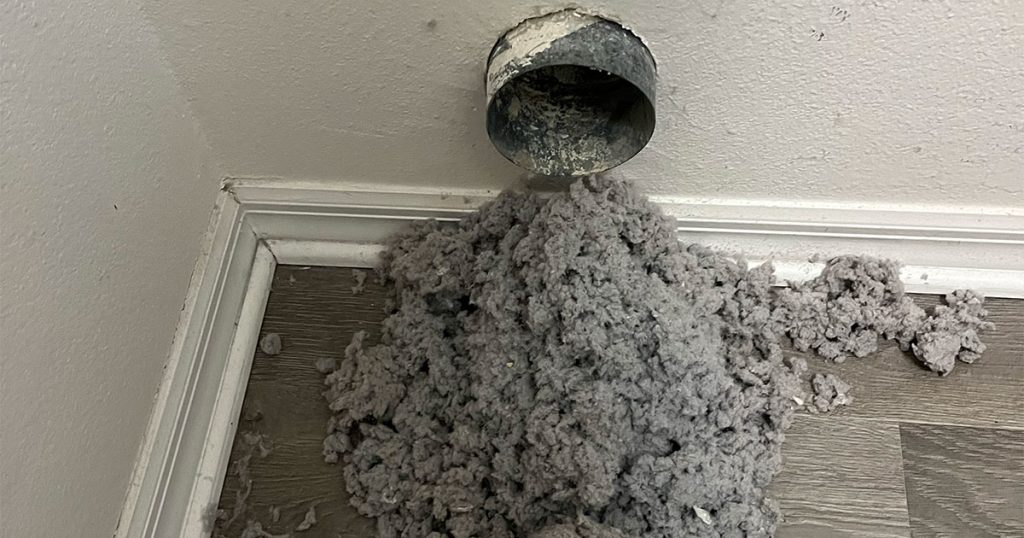
We already have a post that walks through the most common warning signs your dryer vent is clogged. This is a different question. Warning signs tell you something is already wrong. This post helps you assess your situation before it gets to that point, so you can make a smart decision rather than a reactive one.
Why Homeowners Wait Longer Than They Should
Dryer vents are easy to ignore. The dryer still runs. Clothes still dry, even if it takes a little longer. Nothing is visibly broken. So most people put it off until something forces the issue.
The problem is that lint buildup is gradual. There’s no obvious moment when it crosses from fine to not fine. By the time you notice reduced performance or a burning smell, the vent has often been restricted for months or longer. A little awareness upfront saves a lot of trouble later.
The Four-Question Self-Assessment
You don’t need any special tools for this. Just think through these four questions honestly.
1. When was the last time it was professionally cleaned?
If your answer is never, or you genuinely don’t know, that’s your answer. Most homes with standard dryer use benefit from a professional cleaning every one to two years. If you’ve been in the home for several years and nothing has been done, it’s overdue.
If it was cleaned within the last year and nothing unusual is happening with your dryer, you’re likely fine to wait.
2. How long does a typical drying cycle take?
A normal load in a properly venting dryer should finish in 45 to 60 minutes. If you’re regularly running two cycles to dry one load, or if clothes come out damp after a full cycle, restricted airflow is the most likely culprit. That doesn’t always mean the vent is severely clogged, but it does mean something is limiting the system.
If your dryer is heating but not drying well, that’s one of the clearest indicators that the vent system needs attention. We cover that in detail in this post about dryers that heat but don’t dry.
3. How does your laundry room feel during a cycle?
Your laundry room should not feel significantly warmer than the rest of your home while the dryer runs. Heat and moisture that can’t exit through the vent have to go somewhere, and they tend to back up into the room. If the space gets noticeably hot or humid during a cycle, that’s a sign the exhaust isn’t clearing the way it should.
A faint burning smell is a more serious indicator. It doesn’t always mean danger is imminent, but it should not be ignored or explained away.
4. How is your dryer vent configured?
This one matters more than most homeowners realize. Dryers that vent through the roof need more frequent attention than those that vent through a wall. Vertical runs trap lint in ways that wall vents don’t, and the termination cap on a roof vent can become blocked or damaged without any visible sign from inside the home.
If you’re not sure whether your vent exits through the roof or a wall, our post on roof vents vs. wall vents explains the differences and why it matters for cleaning frequency.
Homes with roof-vented systems, long vent runs, or older flexible hoses should lean toward annual cleaning rather than every two years.
How to Read Your Answers
Use these guidelines to interpret what you found.
Cleaning is definitely overdue
- You’ve never had it professionally cleaned
- It’s been more than two years since the last cleaning
- Drying times have noticeably increased
- You’re running more than one cycle to dry a standard load
- The laundry room gets hot or humid during a cycle
- You’ve noticed a burning smell
A cleaning is probably a good idea
- It’s been 12 to 24 months since the last cleaning
- Your vent exits through the roof
- You use the dryer heavily, multiple loads per day
- You have pets, and pet hair makes its way into laundry
- You have a long vent run or multiple bends in the line
Start with an inspection if you’re not sure
- You’re not sure when it was last cleaned
- You’re buying or selling a home and don’t know the vent history
- Performance seems normal but it’s been more than a year
- You want to know the condition before deciding on a cleaning
What a Professional Inspection Checks That You Can’t
A self-assessment is a useful starting point, but it has limits. You can observe performance from the outside. A professional inspection looks at what’s actually happening inside the system.
Our dryer vent inspection service includes an airflow reading before we start, a camera scope run through the full vent line, a check of the termination cap condition, and an assessment of the transition hose between the dryer and the wall. We look for lint buildup, partial blockages, crushed sections, disconnections, and any spots where the system isn’t venting the way it should.
The inspection fee applies toward a cleaning if one is needed, so there’s no cost to finding out the real condition of your system.
What to Do Next
If your self-assessment puts you in the first or second category above, a professional dryer vent cleaning is the right next step. Most visits take under an hour, include an airflow test before and after, and leave you with a clear picture of your system’s condition.
If you’re in the third category and want more information before committing, start with an inspection. You can book online or give us a call if you’d like to talk through your situation first. We’re happy to help you figure out the right service for your home.