Lint Dragon Dryer Vent cleaning truck parked in The Villages
Google 5 star rating

Why Your Dryer Takes Forever to Dry (And How to Fix It)


May 18, 2026

Few things are more frustrating than pulling damp clothes out of the dryer after a full cycle. When your dryer takes forever to finish loads that used to dry in 45 minutes, something is wrong.

The good news is that most slow-drying problems have straightforward solutions. Understanding what causes extended drying times helps you fix the issue and get back to efficient laundry.

Quick Takeaways

  • A clogged dryer vent is the most common reason clothes take too long to dry
  • A blocked lint trap, overloaded drum, or restricted hose can also slow things down
  • Start by cleaning the lint trap and checking that your exterior vent opens freely when the dryer runs
  • If those quick fixes don’t help, the problem is likely deeper in the vent system
  • Most slow-drying issues are solved with a professional vent cleaning – and annual service prevents them from coming back
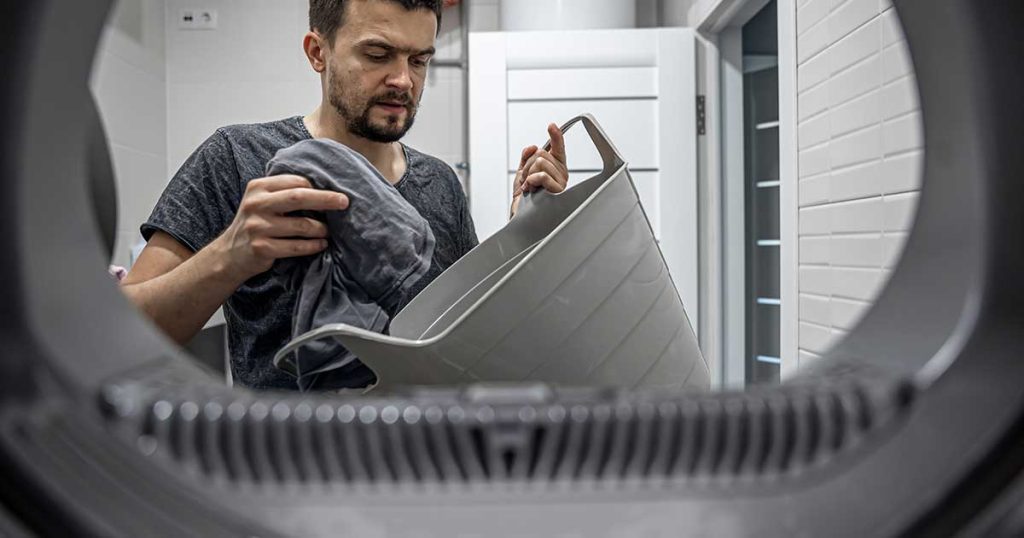
A man loading laundry into a dryer

How Long Should Your Dryer Take?

Before troubleshooting, let’s establish normal drying times.

Standard loads (towels, jeans, regular clothing): 30-45 minutes on medium-high heat

Delicate loads (synthetic fabrics, workout clothes): 20-30 minutes on low heat

Heavy loads (comforters, blankets): 45-60 minutes on high heat

If your dryer consistently exceeds these times by 50% or more, you have a problem that needs attention.

The Most Common Culprit: Clogged Dryer Vents

A restricted vent system causes about 80% of slow-drying complaints we investigate.

How vent clogs slow drying:

Your dryer works by heating air and using it to evaporate moisture from clothes. That moist air must exit through the vent system.

When the vent is clogged with lint, humid air can’t escape efficiently. It recirculates back through the drum, reintroducing moisture to your clothes instead of removing it.

The dryer keeps running, but it’s fighting against itself. You end up running two or three cycles to accomplish what should take one.

Signs your vent is clogged:

  • Clothes are still damp after a full cycle
  • Dryer feels hot to the touch on the outside
  • Laundry room gets unusually warm
  • Burning smell when dryer runs
  • Visible lint around the dryer area
  • Exterior vent flap barely opens or doesn’t open at all

If you recognize several of these warning signs, your vent needs professional cleaning.

How often vents need cleaning:

Most homes should schedule professional dryer vent cleaning annually. Large households, homes with pets, or those with long vent runs may need service every 6 months.

Many homeowners in The Villages have never had their vents professionally cleaned. If you can’t remember your last cleaning or you’re a new homeowner who doesn’t know the history, schedule service now.

Blocked Lint Trap or Cavity

Even if you clean your lint trap after every load, problems can develop.

Lint trap screen issues:

Fabric softener sheets and dryer sheets leave a waxy residue on lint trap screens. This residue clogs the tiny holes, reducing airflow even when the screen looks clean.

Test your lint trap: Hold it under running water. If water doesn’t flow through easily, the screen is clogged with residue.

Solution: Wash your lint trap with warm soapy water and a soft brush every month. Let it dry completely before reinstalling.

Lint cavity buildup:

Behind and around your lint trap is a cavity that catches additional lint. This area fills with lint over time, creating a blockage.

Pull out your lint trap and look inside the cavity with a flashlight. You’ll likely see significant lint accumulation.

Solution: Vacuum the lint cavity thoroughly using a narrow attachment. You can also use a dryer vent brush to reach deeper areas. Don’t forget this simple maintenance task.

Overloading or Loading Issues

Sometimes the problem isn’t mechanical at all.

Overloading the dryer:

Cramming too many clothes in the dryer prevents proper tumbling. Items stay bunched together, and air can’t circulate around individual pieces.

The outside of the load might be dry while the middle remains damp.

Solution: Fill the drum only 3/4 full. Clothes need room to tumble freely.

Mixing heavy and light items:

Drying towels with t-shirts means the towels are still damp when the lighter items are done.

Solution: Dry similar fabrics together. Separate heavy items like towels and jeans from lighter clothing.

Soaking wet clothes:

If your washing machine isn’t spinning properly, clothes enter the dryer much wetter than normal. Even a properly functioning dryer struggles with excessive moisture.

Solution: Ensure your washer completes its spin cycle. If clothes come out dripping wet, your washer needs service, not your dryer.

Incorrect Settings

Modern dryers have multiple settings. Using the wrong ones extends drying time unnecessarily.

Using too low heat:

Delicate or low-heat settings take much longer. If you habitually use low heat for everything to “protect” your clothes, you’re causing extended drying times.

Solution: Use appropriate heat levels. Most loads dry fine on medium or medium-high heat. Reserve low heat for truly delicate items.

Using sensor settings incorrectly:

Some dryers have moisture sensors that automatically stop when clothes are dry. These sensors can malfunction or get confused.

Solution: Try using timed dry instead of auto-dry. If clothes dry properly on a timer but not on sensor settings, the moisture sensor may need cleaning or replacement.

Air dry or fluff settings:

These settings use no heat or very low heat. They take forever and often don’t fully dry clothes.

Solution: Use actual heat settings unless you specifically need air drying.

Transition Hose Problems

The flexible hose connecting your dryer to the wall vent can cause significant problems.

Crushed or kinked hoses:

When dryers are pushed too close to walls, the transition hose gets crushed. This severely restricts airflow.

Pull your dryer out slightly and check the hose. If it’s compressed or bent sharply, it’s restricting airflow.

Solution: Replace crushed hoses and position the dryer to allow proper hose clearance. We recommend DryerFlex hoses that resist crushing better than foil flex.

Disconnected hoses:

Sometimes transition hoses become loose or completely disconnected. Hot, moist air dumps behind the dryer instead of going through the vent system.

Solution: Ensure hose connections are tight and properly secured with metal clamps.

Old or damaged hoses:

Tears, holes, or severe aging allow air to leak out before reaching the exterior vent.

Solution: Replace damaged hoses. Professional dryer vent hose replacement ensures proper installation.

Mechanical Problems With the Dryer

If vent issues and loading problems aren’t the cause, your dryer itself may have mechanical failures.

Heating element failure:

Electric dryers use heating elements to warm air. When elements fail partially or completely, the dryer runs but doesn’t heat properly.

You might notice the dryer feels cool or only slightly warm during operation.

Solution: Heating element replacement requires professional appliance repair.

Thermostat or sensor malfunction:

Thermostats regulate dryer temperature. When they fail, the dryer may not heat sufficiently or may cycle on and off incorrectly.

Solution: Professional diagnosis and replacement of faulty thermostats.

Gas valve issues (gas dryers):

Gas dryers can have problems with gas valves or ignition systems that prevent proper heating.

Solution: Gas dryer repairs require licensed technicians familiar with gas appliances.

Blower wheel or motor problems:

The blower wheel moves air through the dryer drum and out the vent. If it’s clogged with lint or the motor is failing, airflow decreases significantly.

Solution: Blower wheel cleaning or motor replacement by professionals.

Drive belt slipping:

A loose or worn drive belt allows the drum to turn slowly or inconsistently, reducing tumbling effectiveness.

Solution: Belt inspection and replacement.

Long Vent Runs

Some homes have inherently challenging vent configurations.

Roof-vented systems:

Many Villages homes have dryers that vent through the roof. These systems often involve 20-30 feet of ductwork with multiple turns.

Longer vent runs accumulate lint faster and create more resistance to airflow.

Solution: Roof-vented systems need more frequent professional cleaning, often every 6-9 months instead of annually.

Multiple turns and elbows:

Each 90-degree turn in ductwork is equivalent to adding several feet of length in terms of airflow resistance.

Solution: If your vent has excessive turns, consider having it rerouted to a more direct path.

Improper ductwork materials:

Flexible ductwork or corrugated materials create much more resistance than smooth rigid metal ducting.

Solution: Replace flexible ductwork in walls and attics with rigid metal ductwork.

Humidity and Climate Factors

Florida’s humidity affects drying efficiency.

High ambient humidity:

On very humid days, dryers work harder to remove moisture. The incoming air already contains moisture, making evaporation less efficient.

Solution: This is normal and temporary. Drying times may extend slightly on humid days, but dramatic increases still indicate other problems.

Poorly ventilated laundry rooms:

Laundry rooms without good ventilation trap humid air, which can slightly affect dryer performance.

Solution: Improve room ventilation with exhaust fans or open windows when running the dryer.

Step-by-Step Troubleshooting Guide

Follow these steps to diagnose your slow-drying problem:

Step 1: Check the obvious things

  • Clean lint trap thoroughly
  • Reduce load size by half
  • Use medium-high heat setting
  • Run a test cycle

If clothes dry normally with these changes, your problem is loading or settings-related.

Step 2: Check the transition hose

  • Pull dryer away from wall
  • Inspect hose for crushing, kinks, or damage
  • Ensure connections are tight
  • Straighten any severe bends

If the hose was crushed or damaged, replace it and test again.

Step 3: Check exterior vent

  • Start dryer and go outside
  • Watch the exterior vent flap
  • It should open fully with strong airflow
  • Feel for warm, humid air escaping

If the flap barely moves or you feel weak airflow, your vent is likely clogged.

Step 4: Check dryer heat

  • Run dryer on high heat
  • Feel if air coming from dryer is hot
  • Check if dryer exterior gets warm

If the dryer doesn’t heat or only heats slightly, you have a mechanical problem.

Step 5: Professional assessment

If you’ve checked everything and still have slow drying, schedule professional service. The problem is either:

  • Vent system that needs professional cleaning
  • Mechanical issues requiring appliance repair
  • Complex vent configuration needing evaluation

When the Problem Is the Vent (Not the Dryer)

Many homeowners assume their dryer is broken when the real problem is the vent.

Before replacing your dryer or paying for expensive repairs, rule out vent issues with professional cleaning and inspection.

We frequently see homeowners who:

  • Replaced perfectly good dryers unnecessarily
  • Paid for appliance repairs that didn’t fix the problem
  • Struggled with slow drying for years without realizing it was preventable

A professional dryer vent inspection costs much less than a new dryer and often solves the problem completely.

Prevention: Keeping Your Dryer Running Efficiently

Once you’ve solved your slow-drying problem, prevent it from returning:

Maintain your lint trap

  • Clean after every single load
  • Wash with soap and water monthly
  • Vacuum the cavity behind the trap quarterly

Schedule annual professional cleaning

  • Mark your calendar for yearly service
  • Don’t skip this maintenance
  • High-use households should clean every 6 months

Monitor performance

  • Pay attention to drying times
  • Address small changes before they become big problems
  • Learn the warning signs of developing issues

Use proper loading techniques

  • Don’t overload the dryer
  • Separate heavy and light items
  • Ensure washer spins properly

Inspect transition hose annually

  • Check for damage during dryer cleanings
  • Replace every 3-5 years for foil flex, 8-10 years for DryerFlex
  • Ensure it’s not crushed when dryer is in place

The Cost of Ignoring Slow Drying

Extended drying times aren’t just annoying. They cost you money and create safety risks.

Energy waste: Running your dryer 2-3 times uses 2-3 times the electricity or gas. This adds $10-20 per month to utility bills.

Time waste: Extra drying time adds up to hours per week you can’t get back.

Dryer wear: Extended run times age your dryer faster, shortening its lifespan by years.

Fire risk: Conditions causing slow drying (especially clogged vents) are the same conditions that cause dryer fires.

The real cost of ignoring dryer vent problems far exceeds the cost of professional maintenance.

Frequently Asked Questions

Why does my dryer dry some loads fine but not others?

This usually relates to load type and size. Heavy, dense loads take longer. If ALL loads are slow, you have a vent or mechanical issue. If only heavy loads struggle, adjust your loading practices.

My dryer is brand new and still slow. What’s wrong?

New dryers can still have vent problems. The vent system is separate from the dryer itself. Even brand new dryers work poorly with clogged vents.

Can I fix a clogged vent myself?

Basic lint trap maintenance is DIY-friendly, but thorough vent cleaning requires professional equipment, especially for roof-vented systems.

How do I know if it’s the vent or the dryer?

If the dryer heats normally but drying is slow, it’s usually the vent. If the dryer doesn’t heat or heating is inconsistent, it’s likely mechanical.

Will cleaning my vent really make a difference?

Yes. Most customers notice immediate improvement in drying times after professional cleaning. Many are amazed at the difference.

Is slow drying dangerous?

Yes. The same conditions causing slow drying (clogged vents, lint buildup) create fire hazards. Extended run times also increase fire risk.

Get Your Dryer Working Efficiently Again

Slow drying is frustrating, but it’s almost always fixable. Most cases stem from preventable vent problems that professional cleaning resolves completely.

Don’t waste time and money running multiple cycles or fighting with your dryer. Don’t assume you need a new dryer when the problem is actually your vent system.

Ready to fix your slow-drying problem? Contact Lint Dragon today to schedule professional dryer vent cleaning and inspection. We serve homeowners throughout The Villages, Lady Lake, Fruitland Park, and all of Central Florida.

Our comprehensive service includes cleaning your entire vent system, inspecting for damage or disconnections, and testing airflow to ensure everything works properly. Get back to efficient one-cycle drying and stop wasting time and money on a problem that’s completely solvable.

Share this post

Call (352) 638-0630