Why Your Dryer Takes Forever to Dry (And How to Fix It)



Quick Summary: Why Your Dryer Is So Slow
- Clogged Dryer Vents (Most Common): Restricted airflow traps moist air inside the drum, making it impossible for clothes to dry efficiently.
- Blocked Lint Traps: Even if wiped clean, dryer sheet residue can create an invisible wax seal over the lint screen.
- Overloading: Cramming too many clothes prevents proper tumbling and air circulation.
- Washer Spin Cycle Issues: If your washing machine isn’t spinning out enough water, your dryer has to work double-time.
- Mechanical Failure: A burnt-out heating element or faulty thermostat will cause the drum to spin without producing heat.
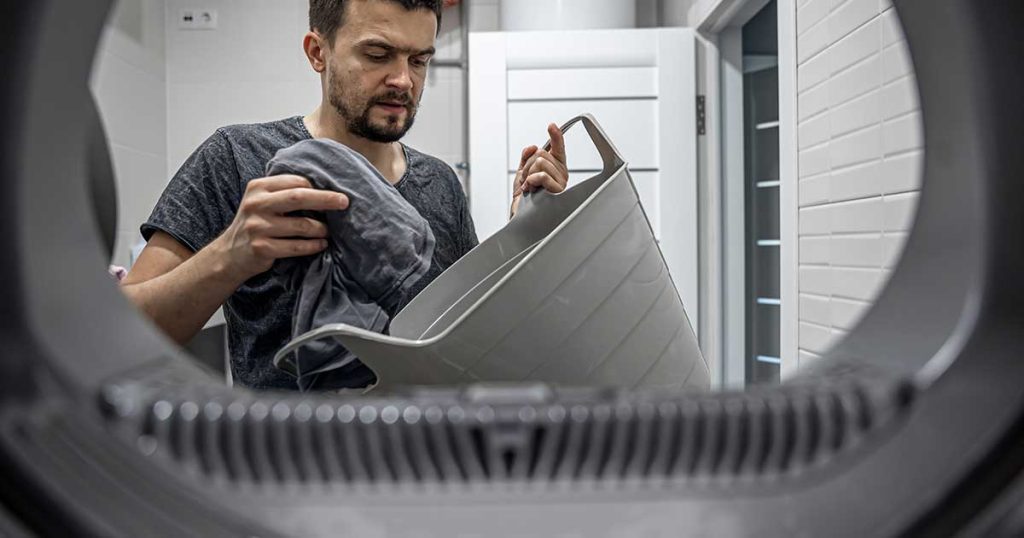
Few things are more frustrating than pulling damp clothes out of the dryer after a full 60-minute cycle. When your dryer takes forever to finish loads that used to dry in 45 minutes, itis more than an inconvenience. It’s a clear signal that something is restricting the appliance’s performance.
The good news is that most slow-drying problems have straightforward solutions, and you rarely need to buy a brand-new dryer.
How Long Should Your Dryer Actually Take?
Before troubleshooting, it helps to establish normal baseline drying times for a properly functioning system:
- Standard loads (towels, jeans, regular clothing): 30-45 minutes on medium-high heat.
- Delicate loads (synthetic fabrics, workout clothes): 20-30 minutes on low heat.
- Heavy loads (comforters, heavy blankets): 45-60 minutes on high heat.
If your dryer consistently exceeds these times by 50% or more (taking 2 or 3 cycles to dry a standard load), you have a problem that needs attention.
Reason 1: A Clogged Dryer Vent (The 80% Rule)
A restricted exhaust vent causes roughly 80% of the slow-drying complaints professionals investigate.
Your dryer works by heating air, passing it through wet clothes to evaporate moisture, and pushing that hot, humid air out through the exhaust vent. When the vent pipe is clogged with lint, the humid air cannot escape. Instead, it recirculates back into the drum, reintroducing moisture to your clothes. The dryer keeps running and getting hotter, but it’s fighting against itself.
The Fix: If you notice warning signs of a clogged vent, schedule a professional dryer vent cleaning. This removes the compacted lint from the entire length of the duct system, immediately restoring proper airflow and drastically reducing drying times.
Reason 2: A Film-Blocked Lint Trap or Cavity
Even if you diligently swipe the lint off the trap after every single load, problems can still develop. Fabric softeners and dryer sheets leave a waxy, invisible residue on lint trap screens. Over time, this residue completely blocks the tiny mesh holes, suffocating the dryer’s airflow right at the source. Furthermore, the internal cavity holding the trap often fills with heavy lint over the years.
The Fix: Take your lint screen to the sink and run water over it. If the water pools up instead of flowing straight through, the mesh is clogged. Gently wash the screen with warm water, dish soap, and a soft brush. Let it dry completely before reinstalling. Then, use a vacuum attachment to clean the lint trap cavity and suck out any loose debris from the housing.
Reason 3: Overloading and Washing Machine Issues
Sometimes the problem isn’t mechanical at all, but rather how the laundry is being processed.
- Overloading: Filling the drum to the top prevents clothes from tumbling freely. The outside items might get dry, while the bundled items in the center remain damp.
- Washer Spin Failure: If your washing machine is failing to engage its final high-speed spin cycle, clothes will enter the dryer soaking wet. No residential dryer is designed to handle dripping-wet laundry efficiently.
The Fix: Only fill the dryer drum 3/4 of the way full. If clothes are coming out of the washer heavier and wetter than usual, call an appliance repair technician to inspect the washing machine’s drive belt or motor.
Reason 4: Incorrect Settings or “Eco” Modes
Modern dryers are packed with features that can inadvertently extend drying times. “Eco” settings lower the heat output to save energy, which naturally increases the cycle time. Sensor dry features can also be tripped up by mixed loads (e.g., drying a heavy cotton towel with thin synthetic shirts), causing the sensor to shut the cycle down before the heavier items are dry.
The Fix: Dry similar fabric weights together and ensure you are using the correct heat setting for the load.
Reason 5: Component Failure
If you have verified that the vent is completely clear, the lint trap is clean, and the washer is spinning properly, the issue is likely inside the dryer cabinet. A burnt-out heating element, a blown thermal fuse, or a faulty cycling thermostat will allow the dryer drum to spin, but the air will never get hot.
The Fix: This requires opening the dryer cabinet, testing components with a multimeter, and replacing the faulty parts.
When to Call a Professional
If your dryer is taking multiple cycles to dry clothes, the safest first step is to have the exhaust system evaluated. Not only does a clogged vent waste electricity, but it is also the leading cause of residential dryer fires. A professional diagnostic can pinpoint whether the issue lies in the wall venting or if you need an appliance repair.