
Your dryer vent needs professional cleaning at least every 18 months to 2 years. However, depending on how often you use your dryer and other factors, you might need it cleaned more frequently. Regular cleaning prevents dangerous lint buildup that causes thousands of house fires every year.
Most homeowners don’t think about their dryer vent until something goes wrong. But by then, the damage might already be done. Understanding how often to clean your dryer vent can protect your home, save you money, and give you peace of mind.
Standard homes: Clean your dryer vent every 18 months to 2 years.
High-use homes: Clean every 6 months if you have a large family, pets, long vent runs, or do more than 10 loads weekly.
Commercial properties: Clean every 3-6 months.
Warning signs: If your dryer takes longer to dry, feels hot, or you smell burning, schedule cleaning immediately regardless of your last service date.
Lint is highly flammable. Every time you run your dryer, tiny fibers break off from your clothes and travel through the vent system. Some lint gets caught in your lint trap, but much of it bypasses the trap and builds up inside the vent line.
Over time, this buildup restricts airflow. When hot air can’t escape properly, temperatures inside the vent rise. If the lint gets hot enough, it can ignite. According to the National Fire Protection Association (NFPA), dryer fires cause hundreds of millions of dollars in property damage annually, and most of these fires start because of lint buildup.
That’s why cleaning frequency matters so much. Regular maintenance keeps lint from accumulating to dangerous levels.
For the average household, professional dryer vent cleaning every 18 months to 2 years is the recommended minimum.
This guideline assumes:
Annual cleaning works well for many homeowners in The Villages and surrounding communities. It keeps your system safe and efficient without requiring more frequent service calls.
Some situations require more frequent service. You should consider cleaning your dryer vent more frequently if:
You have a large household. Families with children or multiple people create more laundry. If you run 10 or more loads per week, you’re producing significantly more lint than average.
Your vent system is long or complex. Vents that run more than 25 feet or include multiple turns accumulate lint faster. Longer paths give lint more places to settle and build up.
You have a roof-vented system. Roof vents can be harder to keep clear. They often have longer runs and more bends than wall vents. Plus, debris from the roof can sometimes enter the vent.
You dry heavy fabrics frequently. Towels, blankets, and bedding shed more lint than lighter clothing. If these items make up a large portion of your laundry, your vent fills up faster.
You have pets. Pet hair adds to lint buildup. Homes with dogs or cats that shed heavily may need more frequent cleaning.
You notice warning signs between cleanings. If you see signs your dryer vent is clogged before your annual service is due, don’t wait. Schedule a cleaning right away.
If you own a rental property, vacation rental, or any commercial space with dryers, your cleaning schedule should be more aggressive.
Laundromats, hotels, and multi-unit properties should have vents cleaned every 3-6 months. High-volume use creates dangerous buildup quickly. Regular maintenance protects your investment and keeps tenants safe.
Between regular cleanings, watch for these red flags that indicate your vent needs attention right away:
Clothes take longer to dry. If loads that used to finish in one cycle now need two or three, your vent is likely restricted.
The dryer or laundry room feels unusually hot. Blocked vents trap heat. If your dryer feels hot to the touch or the room gets uncomfortably warm, call for service.
You smell burning. This is a serious warning sign. Lint may be overheating. Turn off your dryer and schedule an inspection immediately.
Lint accumulates around the dryer. Visible lint near your appliance means the vent can’t properly exhaust air. This shouldn’t happen with a clear system.
The outside vent flap doesn’t open. When your dryer runs, the exterior vent should open fully. If it barely moves or stays closed, you have a blockage.
If you notice any of these issues, don’t wait for your scheduled cleaning. Your system needs attention now. A professional dryer vent inspection can identify the problem and get your system working safely again.
Several variables influence how often your specific vent needs service:
Vent length and configuration. Shorter, straight vents stay clearer longer. Complex systems with long runs and multiple elbows need more frequent attention.
Type of dryer. Gas dryers produce more moisture than electric models, which can cause lint to stick and clump inside the vent.
Vent material. Flexible foil or plastic hoses trap lint more easily than smooth, rigid metal ducting.
Climate. In humid areas like Florida, moisture can make lint stick to vent walls. This creates buildup faster than in drier climates.
Usage patterns. Obviously, the more you use your dryer, the more lint it produces.
If you can’t remember the last time your dryer vent was professionally cleaned, it’s probably been too long.
Here’s a simple test: Check your records or email for service confirmations. If you’re a new homeowner, ask the previous owner or check home inspection reports.
Still not sure? Assume it’s time for cleaning. Better safe than sorry, especially when fire safety is involved.
Many homeowners in The Villages and nearby communities discover during their first inspection that their vents have never been professionally cleaned. Some systems have years of accumulated lint.
You might wonder if you can clean your dryer vent yourself to save money or clean more frequently.
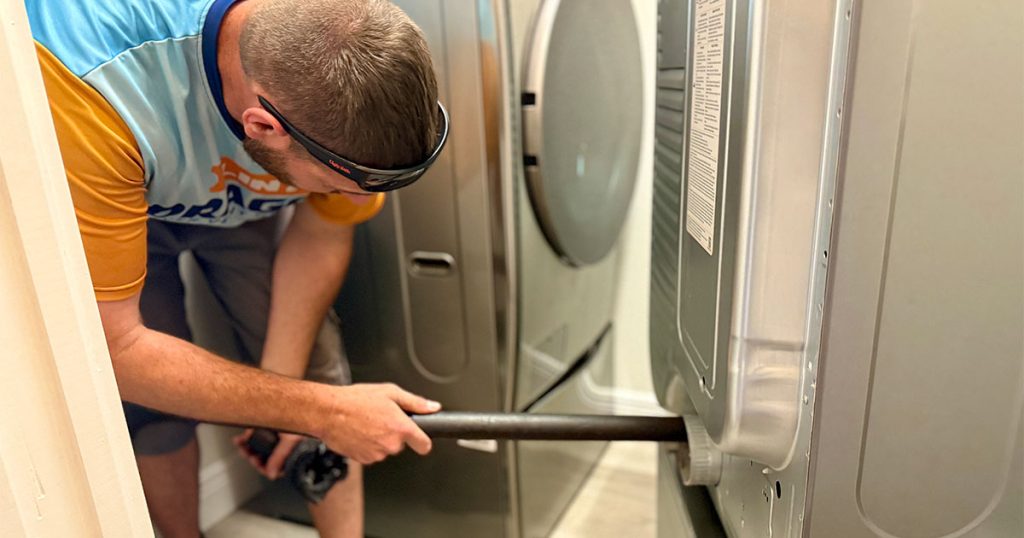
While you should definitely clean your lint trap after every load and can vacuum around your dryer regularly, professional cleaning reaches areas you can’t access. We use specialized equipment to clean the entire system from the dryer connection all the way to the roof or wall termination point.
Professional service includes:
DIY cleaning with a brush kit from the hardware store might help slightly, but it rarely removes all the buildup. It also can’t detect problems like disconnected vents or damaged ductwork.
Once you know how often your vent needs cleaning, put it on your calendar.
Set a recurring reminder for your annual or semi-annual service. Many homeowners schedule dryer vent cleaning at the same time as other annual maintenance tasks like HVAC servicing or gutter cleaning.
Spring is a popular time for this service. It fits naturally with spring cleaning routines, and it’s a good time to prepare your home before the busy summer months.
For snowbirds who spend winters in Florida, consider scheduling service in the fall before you arrive or in the spring before you leave. This ensures your system is safe and efficient when you’re using it most.
We also provide a magnet at the end of every cleaning with a “recommended next cleaning” date for your next service. In addition, we send out reminders to our customers when it is time for their next cleaning.
Understanding the process helps you appreciate why professional service is worth the investment.
During a standard cleaning visit, technicians:
Inspect the entire system. We look at the vent from start to finish, checking for damage, disconnections, or improper installation.
Clean the lint trap cavity. Lint builds up behind and around the trap where you can’t reach. We remove this hidden buildup.
Clean the transition hose. This is the hose connecting your dryer to the wall. It often contains significant lint accumulation.
Clean the full vent line. Using professional tools, we remove lint from the entire duct system.
Clean the exterior termination. The outside vent cap gets cleaned and checked to ensure it opens and closes properly.
Test airflow. We measure airflow to confirm the system is working efficiently.
Provide recommendations. If we spot issues like a crushed hose or improper venting, we’ll let you know and explain your options.
Neglecting your dryer vent costs you in multiple ways.
Fire risk. This is the most serious consequence. House fires are devastating, and many are completely preventable with proper vent maintenance.
Higher energy bills. A clogged vent makes your dryer work harder and run longer. You’re literally burning money every time you do laundry.
Shortened dryer lifespan. When your dryer strains against restricted airflow, components wear out faster. You might need to replace your dryer years earlier than necessary.
Potential repair costs. Overheating can damage your dryer’s heating element, thermostat, or other parts. These repairs cost far more than preventive cleaning.
Wasted time. Running your dryer multiple times to finish one load wastes your time and patience.
When you compare these costs to the price of annual professional cleaning, the choice is clear. Regular maintenance pays for itself many times over.
How long does professional dryer vent cleaning take?
Most residential cleanings take 45-90 minutes depending on your system’s length and complexity. We work efficiently while being thorough.
Can I wait longer than every 18 months to 2 years if my dryer seems fine?
We don’t recommend it. Lint accumulates even when you don’t notice problems. By the time symptoms appear, you may already have a fire hazard. Every 18 months to 2 years is preventive care that keeps problems from developing.
What if I just bought a new dryer?
Even with a new dryer, your vent system still needs cleaning. The vent itself accumulates lint regardless of your dryer’s age. In fact, your dryer might not be drying properly even if it’s brand new if the vent is clogged.
Will cleaning help my dryer dry faster?
Yes. Removing lint buildup restores proper airflow, which helps your dryer work as designed. Most customers notice immediate improvement in drying times.
How do I know if the service area I live in is covered?
We serve The Villages and surrounding communities including Lady Lake, Fruitland Park, Leesburg, and Wildwood. Contact us to confirm service availability in your specific area.
What about apartments or condos with shared laundry?
Property managers should schedule professional cleaning for all shared dryer vents at least twice a year. High-use commercial equipment needs more frequent attention than residential dryers.
Now that you understand how often dryer vents need cleaning and why it matters, the next step is simple: schedule your service.
If you haven’t had your vent professionally cleaned in the past 2 years, it’s time. If you’ve never had it cleaned or don’t know when it was last serviced, it’s definitely time.
Don’t wait until you notice problems. By then, you’re already at increased risk. Professional cleaning is affordable, quick, and gives you peace of mind knowing your home is protected.
Ready to schedule your dryer vent cleaning? Contact Lint Dragon today. We serve homeowners throughout The Villages and Central Florida with expert dryer vent services. Our team brings the equipment, expertise, and attention to detail you need to keep your home safe.