Dryer Smells Like Burning? What to Do Right Away to Prevent Fires


Few things stop a laundry day faster than a burning smell coming from the dryer. Maybe it smells like scorched dust. Maybe it smells like hot rubber or melting plastic. Either way, your nose is telling you something important, and it should never be ignored.
According to the U.S. Fire Administration, clothes dryers cause an estimated 2,900 home fires every year, resulting in about 5 deaths, 100 injuries, and $35 million in property loss. The leading cause is failure to clean the dryer and its vent system.
The good news is that a burning smell is almost always a warning, not a disaster. If you act quickly and correctly, you can turn a dangerous situation into a simple maintenance fix. This guide walks you through exactly what to do, what each type of smell means, and how to keep it from happening again.
Why Does My Dryer Smell Like It’s Burning?
In most homes, that smell comes from lint overheating near the heating element or somewhere along the vent path. It can also point to a worn belt, a failing motor, or an electrical problem inside the dryer. Each cause is a fire risk, so the safe first step is always the same: stop the dryer and find out why before you run another load. The sections below help you match the smell to the likely cause.
What to Do the Moment You Smell Burning
Do not finish the load. Do not wait for the timer. Follow these steps in order:
- Stop the dryer. Press stop or pause immediately, even mid-cycle.
- Cut the power. Unplug the dryer from the wall. If you have a gas dryer and can safely reach the shutoff valve, turn off the gas as a precaution.
- Check for smoke or flames. If you see smoke, sparks, or feel unusual heat coming from the wall, get everyone out of the house and call 911. Never try to fight an appliance fire yourself.
- Remove the clothes carefully. Once the power is off, open the door with caution. Metal zippers and buttons can be very hot. Take the clothes outside and lay them flat so heat can escape. Never leave hot laundry in a pile.
- Do not restart the dryer. Even if the smell fades, the problem that caused it has not gone away. Running the dryer again is how small problems become house fires.
- Get the system inspected. A professional dryer vent inspection can identify exactly where the problem is before you run another load.
What It Means When Your Dryer Smells Like Burning
When your dryer smells like burning, the type of smell is your best clue to what is wrong. Burnt dust usually points to lint, a rubber odor points to a worn belt, and a sharp electrical smell points to wiring or the motor. Here is how to tell them apart.
What Different Burning Smells Mean
Not all burning smells point to the same problem. The specific scent can help you describe the issue clearly when you call a professional.
Dryer Smells Like Burning Dust or a Campfire
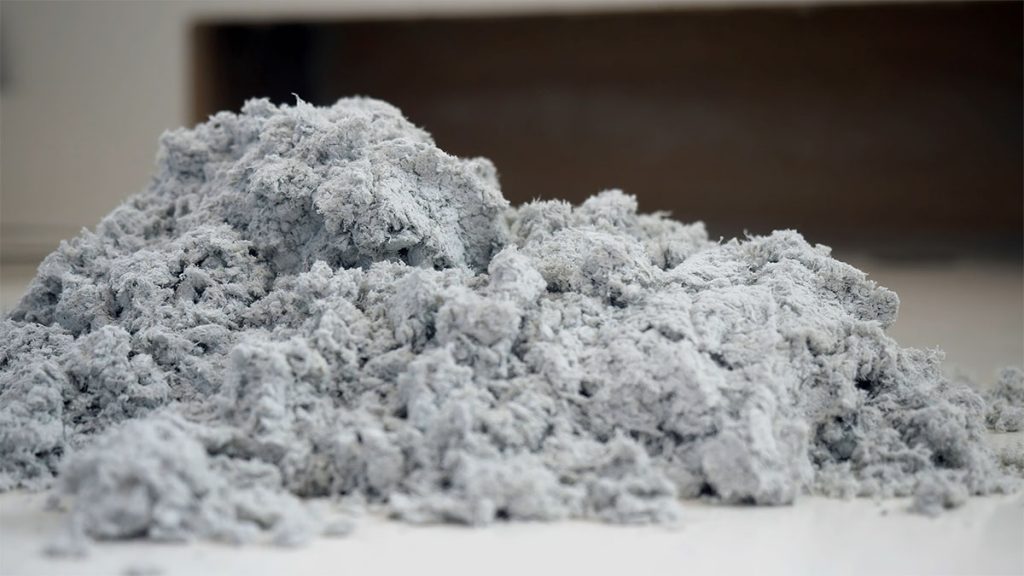
This is the most common one, and it usually means lint. Lint is made of tiny cotton and polyester fibers that shed from your clothes with every load. It is extremely flammable. When lint builds up near the heating element or inside the dryer cabinet, the heat can start to singe it, creating that scorched, dusty smell.
This smell is a red flag that lint has collected somewhere it should not be, whether inside the dryer, in the transition hose behind it, or deeper in the vent line. A full-system dryer vent cleaning removes that fuel source before it can ignite.
Dryer Smells Like Burning Rubber
A heavy, acrid smell like hot rubber usually points to a mechanical problem inside the dryer itself. The drum is turned by a rubber drive belt. If that belt slips, stretches, or the rollers supporting the drum seize up, friction builds heat fast and melts the rubber. You may hear thumping or squealing sounds before the smell starts.
Dryer Smells Like Burning Plastic or Melting
A sharp, chemical odor that smells like burning plastic or hot wiring is the most urgent type. It can signal a short circuit, melting wire insulation, or a failing motor. It can also mean something plastic, like a pen or a hair clip, was left in a pocket and melted onto the drum. Cut power to the dryer right away and do not use it again until you have found the source. Electrical problems can spread behind walls before you ever see a flame.
Dryer Smells Like Smoke
A smoky smell is closely related to the burnt-dust smell, and it deserves the same fast response. It usually means lint is not just warming up but actively scorching somewhere in the system. If you see any visible smoke, stop, unplug the dryer, and treat it as an emergency. If there is no smoke but a clear smoky odor, the dryer still needs to be shut down and inspected before its next use.
Rotten Egg Smell
This one is different. A rotten egg smell is not burning lint. It is the warning odor added to natural gas. If you smell it near a gas dryer, turn off the gas valve if it is safe to do so, leave the house, and call your gas utility immediately.
Why Clogged Vents Cause Burning Smells
Your dryer depends on one thing to work safely: airflow. Hot, moist air has to travel from the drum, through the transition hose, through the vent line, and out of your home. When lint clogs any part of that path, the heat has nowhere to go.
Think of it like putting your thumb over a garden hose. Pressure builds. Inside a dryer, that trapped heat causes a chain reaction:
- The dryer runs hotter than it was designed to.
- Internal temperatures climb high enough to singe trapped lint.
- Safety thermostats and thermal fuses work overtime, and may eventually fail.
- In the worst cases, the lint ignites.
Here is a detail many homeowners do not realize: even if you clean your lint trap after every load, a large portion of lint slips past the screen. Over months and years, it settles in the dryer cabinet, the hose behind the dryer, the vent line inside your walls, and the exterior vent cap. That hidden buildup is exactly what professional cleaning is designed to remove.
One quick warning sign to remember: if the top of your dryer is too hot to touch comfortably while it runs, your airflow is already restricted.
Is It the Vent or the Dryer Itself?
This is where things can get confusing for homeowners. A burning smell can come from the vent system, from the dryer’s internal components, or from both. Belts, rollers, thermostats, and heating elements all wear out over time, and a failing part can produce the same alarming smell as a clogged vent.
This is one reason our appliance repair background matters. Lint Dragon was born out of years of hands-on dryer repair work, so we understand the whole system, not just the vent line. During a service visit, we can often tell you whether the smell is coming from lint buildup, a worn transition hose, or a mechanical issue inside the dryer that needs a repair technician. That saves you from paying to fix the wrong problem.
If the transition hose behind your dryer turns out to be crushed, torn, or made of outdated material, we carry replacement hoses on every truck. Our dryer vent hose replacement can be done on the spot, during the same visit, with no second appointment.
Why You Should Never Just Run It Again
It is tempting. The smell fades after an hour, the dryer seems fine, and you have a basket of damp towels waiting. But the condition that caused the smell is still there. A clogged vent does not unclog itself. A slipping belt does not tighten itself. A loose electrical connection does not reconnect itself.
Restarting a dryer after a burning smell, without finding the cause, is one of the most common ways small problems turn into fires. The cost of an inspection is small. The cost of ignoring the warning can be your home.
How to Prevent Burning Smells in the First Place
A few simple habits dramatically lower your risk:
- Clean the lint trap every load. It takes ten seconds and it is your first line of defense.
- Wash the lint screen monthly. Dryer sheets and fabric softener leave an invisible film on the screen. Run it under water. If water pools on top instead of flowing through, scrub the screen with dish soap, warm water, and a soft brush.
- Check the exterior vent. While the dryer runs, the outside vent flap should open and you should feel a strong, warm breeze. Weak airflow means a clog is forming.
- Do not overload the dryer. Overstuffed loads dry unevenly, trap heat, and put extra strain on the belt and motor.
- Schedule professional cleaning once a year. Annual service removes the hidden lint a vacuum and brush kit cannot reach. Homes with heavy laundry use, pets, or long vent runs may need it more often.
Not sure where your system stands today? Our dryer vent self-assessment checklist walks you through the warning signs you can check yourself, and our post on whether dryer vent cleaning is really worth it breaks down the safety and cost benefits in plain terms.
When to Call a Professional
Call for professional help if any of these apply:
- You noticed any burning smell, even once.
- Your dryer or laundry room feels unusually hot.
- Clothes take more than one cycle to dry.
- It has been more than a year since your last professional cleaning.
- You cannot remember your vent system ever being cleaned.
At Lint Dragon, every job includes a full-system approach. We clean from the back of the dryer to the exterior termination point, inspect the hose and vent cap, and perform an airflow test to confirm your system is moving air the way it should before we leave. As a CSIA C-DET certified dryer vent cleaning company, we follow industry standards for dryer exhaust safety on every visit.
Frequently Asked Questions
Trust Your Nose
A burning smell is your dryer’s distress signal. Stop the machine, cut the power, and do not run it again until you know the cause. Acting fast is what turns a potential fire into a routine service call.
If you have smelled burning from your dryer, or you simply want peace of mind, schedule your dryer vent service today. We will find the problem, fix it right, and show you exactly what we found.