
Quick Answer
Roof vents: Exit through the roof, common in Florida homes, require professional cleaning, longer vent runs, better for homes without exterior wall access.
Wall vents: Exit through an exterior wall, shorter vent runs, easier access for maintenance, better airflow but require proper exterior wall placement.
Villages homes: Most use roof vents due to home design and lot configurations.
Both types: Need regular professional cleaning, but roof vents often need more frequent service due to length and complexity.
Roof vents and wall vents both exhaust hot air from your dryer, but they work differently and have distinct advantages and challenges. Understanding these differences helps you maintain your system properly and know what to expect from professional cleaning services.
If you live in The Villages or nearby Central Florida communities, you’ve likely noticed that many homes here use roof-vented dryer systems. This isn’t random. There are specific reasons why builders choose one configuration over another, and each type requires different maintenance approaches.

A roof-vented dryer system exhausts air through ductwork that runs up through your attic and exits via a vent cap on your roof.
This configuration is extremely common in The Villages. Many homes here were built with laundry rooms located in interior spaces without easy access to exterior walls. Roof venting solved this design challenge.
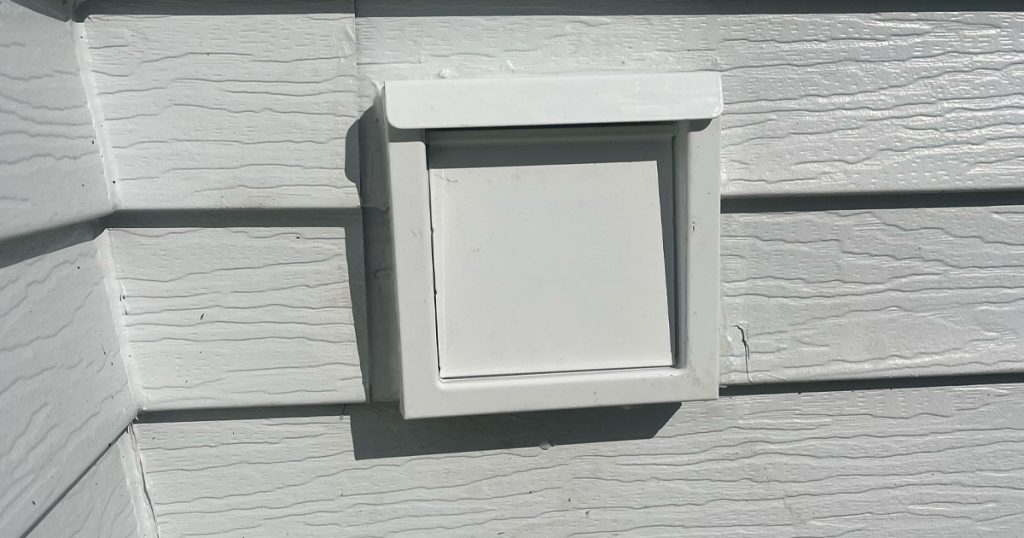
A wall-vented system exhausts air through ductwork that runs through an exterior wall, usually just a few feet from the dryer.
The typical setup includes:
Wall vents are straightforward and efficient when the laundry room is located on an exterior wall.
Works with any laundry room location. You can place your laundry room anywhere in your home without worrying about proximity to an exterior wall.
No exterior wall penetration. This matters for homes with brick, stucco, or stone exteriors where cutting through walls is more complicated.
Protected from ground-level pests. Roof vents are less accessible to rodents, birds, and insects that might try to nest in a ground-level opening.
Better for homes on slabs. Many Florida homes are built on concrete slabs, making it easier to route vents up through the attic than through walls.
No impact on landscaping. Wall vents require careful placement to avoid gardens, bushes, or other landscaping features. Roof vents eliminate this concern.
Longer vent runs. The path from your dryer to the roof is almost always longer than a direct path through a wall. Longer runs mean more places for lint to accumulate.
More turns and elbows. Routing ductwork up through walls and across attics usually requires several turns. Each bend creates turbulence that encourages lint buildup.
Harder to access for cleaning. Professional cleaning of roof vents requires accessing your attic and working on your roof. This takes more time and specialized equipment.
Potential for disconnections. Longer vent runs with multiple connections create more opportunities for sections to separate. Disconnected vents are a common problem we find in Villages homes, especially after re-roofs.
Attic heat exposure. Florida attics get extremely hot. This heat can bake lint onto vent walls, and inside the gooseneck, making it harder to remove.
Roof penetration maintenance. The gooseneck where the vent exits requires periodic inspection and maintenance to prevent leaks.
Shorter vent runs. Direct paths through exterior walls are typically much shorter than routes to the roof. Shorter means more efficient.
Better airflow. Less distance and fewer turns mean less resistance. Your dryer works more efficiently.
Easier access for maintenance. Technicians can reach wall vents more easily, which can reduce service time and cost.
Fewer connection points. Simpler systems have fewer places where sections can separate or fail.
Visual monitoring. You can see the exterior vent cap and check if it opens properly when your dryer runs.
Limited laundry room placement. Your laundry room must be on or near an exterior wall for this to work well.
Exterior wall penetration required. Cutting through brick or stucco adds complexity and cost during installation.
Ground-level pest access. Birds, rodents, and insects can access wall vents more easily than roof vents.
Aesthetic considerations. The exterior vent cap is visible on your home’s exterior. Some homeowners prefer not to have visible vents on certain walls.
Potential landscaping conflicts. You need to ensure the vent exhaust won’t damage plants or create other issues.
From a pure efficiency standpoint, wall vents have an advantage. Shorter runs with fewer turns create less resistance and better airflow.
However, this doesn’t mean roof vents are unsafe or inefficient when properly maintained. The key difference is maintenance frequency.
Roof-vented systems typically need professional dryer vent cleaning more often than wall vents. If a wall vent needs cleaning every few years, a comparable roof vent might need service more frequently depending on usage.
Both systems are safe when cleaned regularly and properly installed.
Florida’s climate and building practices create unique considerations for dryer vents.
Humidity affects lint. Florida’s humid air can cause lint to become sticky and clump together inside vents. This creates buildup faster than in drier climates.
Attic temperatures. Summer attic temperatures in Florida can exceed 150°F. This extreme heat can literally bake lint onto vent walls.
Hurricane preparedness. Roof collars must be properly sealed and secured to withstand high winds and heavy rain during storm season.
Pest pressure. Florida’s warm climate means year-round pest activity. Both roof and wall vents need proper caps that prevent animal intrusion.
Not sure whether your dryer vents through the roof or a wall?
Look outside your home while your dryer is running. If you see a vent opening on an exterior wall near ground level with a flap that opens, you have a wall vent.
If you don’t see an exterior wall vent, check your roof. Look for a roof collar (a metal or plastic cap sticking up from the roof) near the area above your laundry room. This indicates a roof vent.
You can also check your attic if it’s easily accessible. If you see ductwork running from the general area of your laundry room to the roof, you have a roof vent.
Roof vents require:
Wall vents require:
Both types benefit from regular dryer vent inspections between cleanings, especially if you notice any changes in dryer performance.
Cleaning roof-vented systems requires specialized knowledge and equipment.
Our process includes:
Attic inspection. We check the entire vent run for disconnections, damage, or improper installation.
Complete system cleaning. We clean from the dryer connection all the way to the roof termination.
Gooseneck service. We clean the entirety of the gooseneck and verify that the backdraft damper is working properly.
Airflow testing. We measure airflow after every cleaning to confirm the system works properly.
Safety checks. We look for issues like insulation blocking vents or improper duct materials.
This comprehensive approach ensures roof-vented systems work safely and efficiently despite their longer, more complex paths.
Some homeowners wonder if they should convert their roof vent to a wall vent.
Conversion makes sense when:
Conversion doesn’t make sense when:
Before considering conversion, try professional cleaning and maintenance first. Many problems homeowners attribute to roof vents are actually just buildup that cleaning resolves.
If you’re considering a conversion, we can provide a consultation to discuss your specific situation. Sometimes rerouting the existing vent provides better results than full conversion.
Regardless of configuration, certain issues affect all dryer vents:
Lint buildup. This is universal. All dryer vents accumulate lint over time.
Improper transition hoses. Many homes use flimsy foil or plastic hoses that restrict airflow and trap lint. We offer dryer vent hose replacement with proper materials.
Crushed or kinked hoses. When dryers are pushed too close to walls, hoses can become compressed.
Pest intrusion. Birds and rodents will nest in vents if caps are damaged or missing.
Code violations. Older installations may not meet current building codes for vent materials or configuration.
Many Villages homes share similar characteristics that affect dryer venting:
Similar construction periods. Large sections of The Villages were built around the same time with similar designs. This means many homes have similar vent configurations.
Roof vent prevalence. The majority of Villages homes use roof vents due to the community’s typical home designs.
Original equipment aging. Homes built 15-20 years ago still have original vent systems that have never been professionally cleaned or inspected.
Active adult lifestyle. Villages residents often do laundry frequently, creating more lint than in homes with fewer occupants.
Understanding these local factors helps us provide better service to The Villages homeowners.
Which type of vent lasts longer?
Both types last similarly when properly maintained. The vent material and maintenance frequency matter more than the configuration.
Can I switch from a roof vent to a wall vent?
Yes, but it requires installation work. We can assess your situation and provide a quote for wall vent installation.
Do roof vents cost more to clean?
Roof vent cleaning typically takes longer due to attic access and roof work, which may affect pricing. However, the price difference is usually modest.
How do I know if my roof vent is clogged?
Warning signs are the same regardless of vent type: longer drying times, hot dryer, burning smells, or visible lint around the dryer.
Should I replace my roof vent if it’s old?
Not necessarily. If the ductwork and roof collar are in good condition, professional cleaning usually resolves any issues. We’ll let you know if replacement is needed during inspection and refer you to a licensed and reputable roofer.
Can I clean my roof vent myself?
We don’t recommend it. Roof vent cleaning requires attic access, roof safety equipment, and specialized tools. Professional service ensures the job is done safely and thoroughly.
Whether you have a roof vent or wall vent, proper maintenance keeps your home safe and your dryer working efficiently.
Understanding your system type helps you set appropriate maintenance expectations and recognize when professional service is needed.
If you’re not sure what type of vent you have or when it was last cleaned, now is the time to find out. A professional inspection provides answers and peace of mind.
Ready to schedule service for your dryer vent system? Contact Lint Dragon today. We have extensive experience with both roof and wall vented systems in The Villages and throughout Central Florida. Our team knows exactly what each type needs to stay safe and efficient.